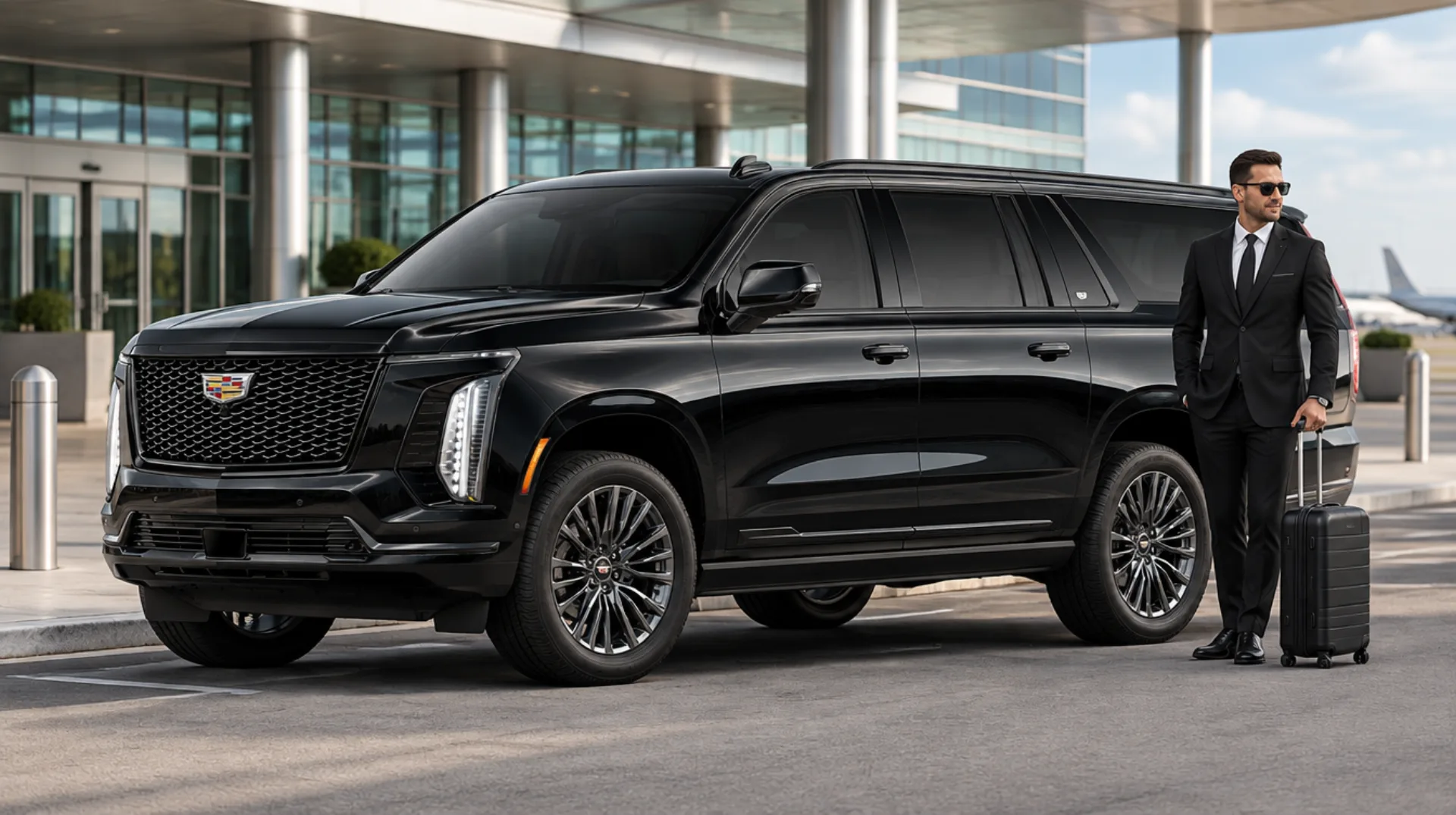
John F. Kennedy International Airport is the busiest international gateway in the United States, handling over 62 million passengers annually. Whether you are arriving from London on British Airways, connecting through from Los Angeles, or departing for a business trip to Tokyo, how you get to and from JFK can define your entire travel experience. This comprehensive guide covers every detail you need to plan a seamless JFK airport transfer in 2026, from terminal layouts and airline assignments to pricing comparisons and route intelligence.
Terminal-by-Terminal Guide to JFK
This guide covers Terminal 1, Terminal 4, Terminal 5, Terminal 7, and Terminal 8, plus the closed former Terminal 2. JFK terminal assignments and pickup routes can change during redevelopment. Check your operating airline terminal before travel and use the meeting point in the dispatch confirmation.
Terminal 1
Confirm which airlines use Terminal 1 on your travel date with the airline and the current JFK directory. Do not rely on an old carrier list. After clearing customs, follow Ground Transportation signs to the arrivals-level meeting point named in the dispatch confirmation. Request a name-sign greeting in advance if you want an inside meeting point.
Terminal 2
Terminal 2 is no longer an active passenger terminal. Delta moved all of its JFK operations from Terminal 2 to Terminal 4 in January 2023. Do not plan a Terminal 2 curb pickup or a walkway from Terminal 2 to Terminal 1. If an older itinerary still lists Terminal 2, confirm the operating terminal with Delta and use Terminal 4 unless the airline states otherwise.
Terminal 4
Terminal 4 is the largest terminal at JFK. Delta Air Lines operates its JFK flights from Terminal 4 — domestic and international — including the operations that previously used Terminal 2. Check the current JFK airline directory for other carriers. This is also where most private aviation connections originate. The terminal features the Delta Sky Club, Emirates Lounge, and Virgin Atlantic Clubhouse. Arrivals pickup at Terminal 4 uses the ground level (Level 1). After clearing customs and immigration in the Federal Inspection Services hall, follow signs to Ground Transportation. The commercial vehicle pickup area is on the outer roadway. Because Terminal 4 handles the highest international volume, customs wait times can range from 15 minutes to over an hour. We recommend texting your chauffeur when you enter the customs line so they can time their arrival accordingly.
Terminal 5
Terminal 5, the iconic Saarinen-designed TWA Flight Center, is home to JetBlue Airways. The terminal is architecturally stunning and connects to the TWA Hotel, making it a popular choice for travelers who want to experience mid-century modern design. JetBlue operates extensive domestic and Caribbean service from Terminal 5. Pickup is on the arrivals level outer curb. JetBlue flights tend to arrive in clusters, so the curb can get busy during peak times between 4 PM and 7 PM. Our chauffeurs know to position early for Terminal 5 pickups during these hours.
Terminal 7
British Airways operates from Terminal 8, not Terminal 7. Confirm your carrier and terminal against the current JFK directory and your boarding pass. The former Terminal 6 is a different facility from the new Terminal 6 redevelopment. JFK terminal assignments and pickup routes can change during redevelopment. Check your operating airline terminal before travel and use the meeting point in the dispatch confirmation.
Terminal 8
Terminal 8 is the American Airlines hub at JFK, handling both domestic and international flights. British Airways operates from Terminal 8. Japan Airlines (JAL) places JAL-operated flights at Terminal 8. Confirm the airline’s current terminal assignment before travel. The terminal features the American Airlines Admirals Club and the Flagship Lounge. Arrivals pickup at Terminal 8 is on the lower level. The commercial vehicle lane is on the far right side of the roadway. Terminal 8 has two distinct pickup areas — one for the main terminal and one for the international arrivals section. Your chauffeur will confirm the exact pickup spot based on whether you are arriving domestically or internationally.
Pricing Comparison: Car Service vs Uber vs Taxi
One of the most common questions we receive is how professional car service pricing compares to rideshare apps and traditional taxis. Here is an honest, detailed comparison for JFK airport transfers in 2026.
- Professional car service sedan (Manhattan): request an exact-route quote. Confirm tolls, airport fees, meet-and-greet, flight monitoring, waiting time, gratuity, and date-specific charges in writing
- Professional car service SUV (Manhattan): request a quote and confirm the vehicle class, capacity, and included charges
- NYC yellow taxi (Manhattan): Posted fare of $120+ plus tolls ($8.50+–$13+), surcharges ($1+ peak, $1+ overnight), and tip — total typically $115+–$130+
- Uber Black (Manhattan): $115+–$235+ depending on demand, plus tolls — no flight tracking, no guaranteed meet & greet, potential surge of 2x–4x during peak
- Uber X (Manhattan): $60+–$155+ depending on demand — economy vehicle, no flight tracking, no meet & greet, driver may not assist with luggage
- Lyft (Manhattan): $65+–$170+ depending on demand — similar to Uber X with comparable surge pricing patterns
The critical difference is predictability. With a professional car service, your rate is locked in at booking. There is no algorithm adjusting your price based on weather, time, or demand. On New Year's Eve, during a rainstorm, or at 5 PM on a Friday — the rate is identical. Uber and Lyft prices can surge to three or four times the base rate during these exact scenarios, which are also the times you need reliable transportation the most.
Route Intelligence: How Your Chauffeur Gets You There
Professional chauffeurs do not simply follow GPS. They use real-time route intelligence based on years of experience navigating New York City. Here are the primary routes from JFK to Manhattan and what determines the optimal choice.
- Belt Parkway to BQE to Manhattan Bridge/Brooklyn Bridge: Best during off-peak hours, scenic waterfront route, typically 45–55 minutes
- Van Wyck Expressway to Long Island Expressway to Midtown Tunnel: Fastest route to Midtown East, 35–50 minutes without traffic, $8.50+ toll
- Van Wyck to Grand Central Parkway to Robert F. Kennedy Bridge: Best for Upper East Side and Upper Manhattan destinations, avoids Midtown congestion
- Belt Parkway to Verrazzano-Narrows Bridge: Best for destinations in New Jersey, Staten Island, or lower Manhattan via the Hugh L. Carey Tunnel
- JFK Expressway to Conduit Avenue to Atlantic Avenue: Local route alternative when highways are backed up, used by experienced drivers during construction or accidents
Your chauffeur checks live traffic conditions before leaving the staging area and continuously monitors routing throughout the drive. If an accident occurs on the Van Wyck, they will seamlessly switch to the Belt Parkway route without you needing to do anything.
Customs and Immigration Tips
If you are arriving on an international flight, the customs and immigration process at JFK can add significant time to your arrival. Here is how to minimize the wait and coordinate with your chauffeur.
- Apply for Global Entry or TSA PreCheck — Global Entry members can use automated kiosks that reduce processing time from 45 minutes to under 5 minutes
- Complete your customs declaration on the CBP One mobile app before landing to skip the paper form
- Terminal 4 and Terminal 1 handle the highest international volume — expect longer waits at these terminals during peak arrival times (2 PM–6 PM)
- Text your chauffeur when you enter the customs line and again when you collect your luggage — this allows precise timing so they are curbside exactly when you exit
- If you are connecting from an international flight to a domestic flight at JFK, you will need to clear customs, collect luggage, re-check bags, and go through security again — allow at least 2.5 hours for connections
Flight Delay Handling
Flight delays are a reality of air travel, so provide the airline and flight number when requesting a quote. Ask the reservation team to state in writing whether the trip will be monitored, when waiting time begins, what happens after a diversion, and which delay or cancellation charges may apply. Those details can vary by trip and should not be assumed.
Domestic and international arrivals need different pickup buffers because baggage and immigration times vary. Confirm the included wait period and the rate after it expires on the written quote. When you land, keep your phone available and follow the pickup instructions sent for your terminal.
Booking Tips for JFK Transfers
To ensure the smoothest possible JFK transfer, follow these practical booking tips based on our experience completing thousands of airport transfers annually.
- Request service in advance and wait for written confirmation; lead time does not guarantee vehicle availability
- Provide your airline and flight number, then confirm whether monitoring is included for your trip
- Specify the number of passengers and luggage pieces so we can assign the right vehicle — a family of four with golf bags needs an SUV, not a sedan
- For early morning departures (before 6 AM), book a pickup time that allows 75 minutes of drive time to JFK plus 90 minutes before your flight — so for a 6 AM flight, book a 3:15 AM pickup
- For late-night arrivals, confirm availability and any date- or time-specific charge before booking
- Corporate travelers should ask which booking, billing, and reporting terms are available in a written proposal
JFK airport transfers do not have to be stressful. With the right preparation and a professional chauffeur service, the journey between JFK and your destination becomes the easiest part of your travel day. Book your next JFK transfer with Chauffeur Services NYC and experience the difference that professional ground transportation makes.