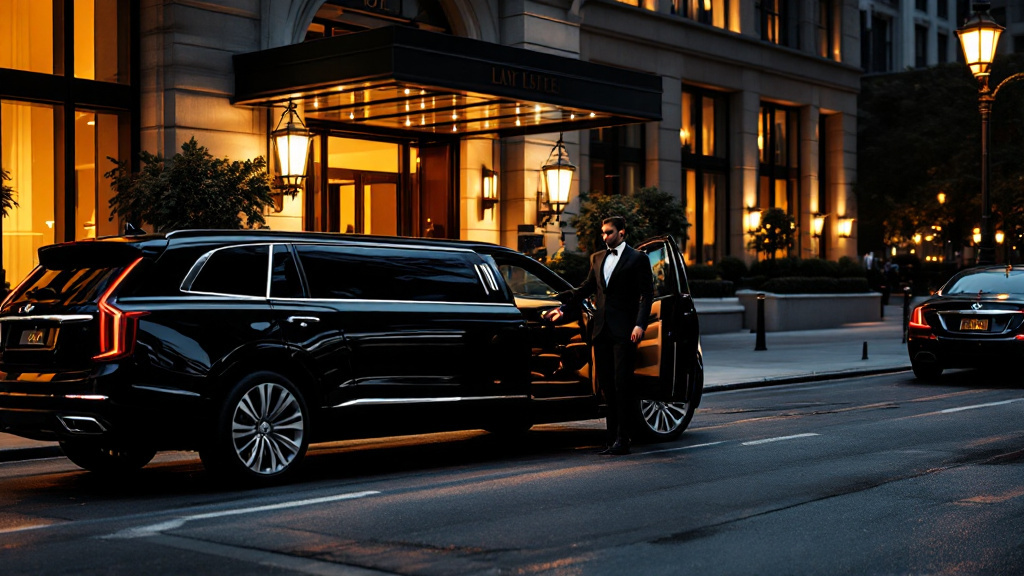
Planning event transportation in New York City is one of the most complex logistics challenges in the hospitality and events industry. Unlike other cities where guests simply drive to a venue, NYC events require coordinated ground transportation across a dense urban landscape with unpredictable traffic, limited parking, and strict loading zone regulations. Whether you are organizing a 500-person corporate gala at Cipriani Wall Street or an intimate product launch in a Chelsea gallery, your transportation plan can make or break the guest experience. This guide provides everything you need to plan seamless event transportation in 2026.
Multi-Vehicle Logistics: Building Your Fleet Plan
The first step in event transportation planning is determining your fleet requirements. This involves analyzing your guest list, identifying VIP tiers, mapping pickup and drop-off locations, and selecting the appropriate vehicles for each role. A well-planned event fleet typically includes several categories of vehicles working in concert.
- Executive sedans (Mercedes S-Class): For VIP guests, speakers, and executives who require individual transportation. Typical ratio: 1 sedan per 2–3 VIPs
- Premium SUVs (Cadillac Escalade ESV): For small groups of 4–6, families, or guests requiring extra luggage space. Common for airport-to-venue transfers
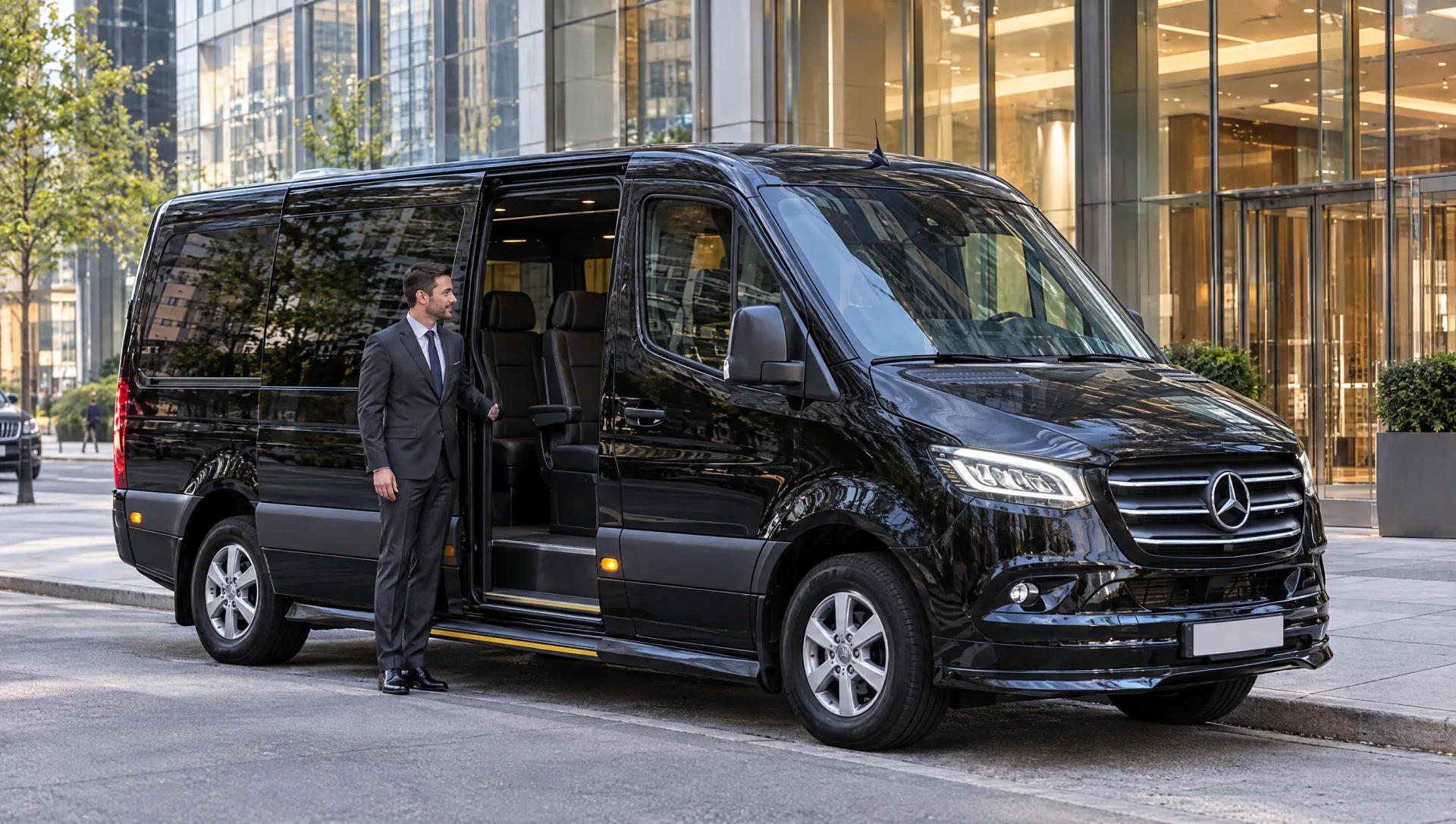
- Sprinter vans (Mercedes Sprinter): For groups of 8–14 guests. Ideal for hotel-to-venue shuttles, bridal parties, and executive team transport. Can be configured with captain's chairs and tables for working groups
- Shuttle buses (24–56 passengers): For larger groups requiring point-to-point transport. Used for employee events, conference shuttles, and venue-to-venue transfers
- Specialty vehicles: Stretch limousines for weddings, vintage cars for themed events, party buses for casual celebrations
For a typical 200-person corporate event with guests arriving from multiple hotels, a standard fleet plan might include 3 Sprinter vans running continuous shuttles between 2 hotels and the venue, 4 executive sedans for VIP individual transfers, and 1 SUV for the executive host. This fleet can move all 200 guests within a 90-minute arrival window.
Timeline Templates by Event Type
Every event type has a different transportation rhythm. Here are proven timeline templates that we have refined over thousands of events in New York City.
Corporate Gala Timeline
- T-minus 4 hours: Fleet staging — all vehicles positioned at designated staging areas near pickup locations. Chauffeurs briefed on guest manifests, routes, and venue access points
- T-minus 3 hours: VIP pre-event transfers begin. CEO, keynote speakers, and board members transported to venue for walk-through and AV checks
- T-minus 2 hours: Event planner transport. Coordination team transferred to venue for final setup confirmation
- T-minus 90 minutes: First shuttle rotation begins. Sprinter vans start continuous loops between hotels and venue
- T-minus 60 minutes: Individual sedan transfers for VIPs who prefer private transportation
- Event start: All shuttle vehicles staged at venue for standby. At least one sedan remains available for late arrivals
- T-plus 3 hours: First departure vehicles staged. VIP sedans positioned at venue exit
- T-plus 4 hours: Shuttle departures begin. Continuous loops back to hotels. Sedans available for individual departures on demand
- T-plus 5 hours: Final sweep. Last shuttles depart. Cleanup crew transport if needed
Product Launch Timeline
- T-minus 6 hours: Equipment and setup team transport. Sprinter van for AV equipment and crew
- T-minus 3 hours: Executive and presenter transport. Individual sedans for CEO, CMO, and product leads
- T-minus 2 hours: Media transport. Designated sedans or Sprinter for press arrivals from hotels or airports
- T-minus 1 hour: Guest shuttles begin from designated meeting points. For a 100-person launch, 2 Sprinter vans in continuous rotation
- Event duration: Standby vehicles for executive departures, media who need to file stories, or emergency runs
- Post-event: Staggered departures. VIP dinners may require secondary transport to restaurant venues
Fashion Show Timeline
- T-minus 5 hours: Model and styling team transport. Sprinter vans from agency offices or hotels to venue
- T-minus 3 hours: Designer and production team transport. Individual sedans for the designer and key creative team members
- T-minus 2 hours: Celebrity and front-row guest transport. Individual sedans with meet & greet from hotels. Vehicles positioned for paparazzi-friendly arrivals
- T-minus 1 hour: Media and buyer transport. Shuttle service from designated press hotels
- T-minus 30 minutes: Final VIP arrivals. Sedans staged for dramatic, timed arrivals at venue entrance
- Post-show: After-party transfers. Fleet repositions from show venue to party venue. Models and celebrities transported separately from general guests
NYC Venue-Specific Transportation Tips
Every major event venue in New York City has its own transportation quirks. Here are insider tips for the most popular venues based on our extensive experience.
The Plaza Hotel
The Plaza at Fifth Avenue and Central Park South is one of NYC's most prestigious event venues. Transportation access is via the main entrance on Fifth Avenue or the private side entrance on 58th Street. For events in the Grand Ballroom, guest arrivals should use the Fifth Avenue entrance for the best visual impression. VIP vehicles can pull directly under the porte-cochère for a sheltered arrival. However, Fifth Avenue traffic is heavy, and NYPD enforces strict no-standing regulations. Your transportation provider must coordinate exact arrival times so vehicles are not idling. Staging area: Vehicles should stage on 57th Street between Fifth and Sixth Avenues, then be radioed in for individual pickups.
Cipriani Wall Street
Cipriani at 55 Wall Street occupies the former New York Merchants' Exchange with its iconic Ionic columns. The venue's Financial District location presents unique transportation challenges. Lower Manhattan streets are narrow, many are one-way, and construction is perpetual. Guest drop-off is directly on Wall Street, which has limited capacity for multiple vehicles simultaneously. The key strategy is staggered arrivals — no more than 2–3 vehicles unloading at once. Staging area: Vehicles should stage on Water Street or in the parking lots along the FDR Drive, then dispatch individually. The venue recommends a 2-hour arrival window for events over 200 guests.
Chelsea Piers
Chelsea Piers at West 23rd Street and the Hudson River offers waterfront event spaces with relatively easy vehicle access. The Piers have dedicated vehicle access roads and ample staging area along the West Side Highway service road. This is one of the more transportation-friendly venues in Manhattan. Guests can be dropped at the specific pier entrance, and vehicles can stage without blocking traffic. For events at Pier Sixty or the Lighthouse, direct the driver to the venue-specific entrance — the Piers complex spans from 17th to 23rd Street and guests can end up at the wrong pier if not properly directed.
Brooklyn Museum
The Brooklyn Museum on Eastern Parkway is a stunning but logistically challenging event venue for Manhattan-based guests. The drive from Midtown Manhattan to the Brooklyn Museum takes 30–45 minutes without traffic but can extend to 75 minutes during rush hour. Plan guest transport accordingly — shuttle departures should begin at least 90 minutes before event start for rush-hour events. Vehicle access is via the museum's parking circle on Eastern Parkway. The circular drive can accommodate 3–4 vehicles simultaneously for drop-off. Staging area: Vehicles can stage on Washington Avenue or in Prospect Park's designated areas along the Eastern Parkway side.
Vehicle Selection Guide for Events
Choosing the right vehicles for your event is about more than capacity — it is about matching the vehicle to the occasion, the guest profile, and the venue aesthetic.
- Black-tie galas: Executive sedans (Mercedes S-Class) for individual VIPs. The black exterior and polished presentation match the formality of the event. Avoid white or silver vehicles for black-tie events
- Corporate conferences: Sprinter vans for group shuttles (branded with company logo wraps if desired). Sedans for speakers and executives. Efficiency and reliability matter more than opulence
- Product launches: Mix of sedans for executives and media VIPs, Sprinter vans for general guest shuttles. Consider the brand aesthetic — a tech company might want modern SUVs while a luxury brand should opt for S-Class sedans
- Outdoor festivals and casual events: SUVs and Sprinter vans are preferred. They handle varied terrain better and guests in casual attire find them easier to enter and exit
- Weddings: See our dedicated wedding transportation guide for comprehensive vehicle selection advice
Rain Plans and Contingencies
New York City weather is unpredictable, and rain dramatically affects event transportation. A solid rain contingency plan is essential for any outdoor or semi-outdoor event. Your transportation provider should maintain umbrellas in every vehicle (large golf-style umbrellas, not collapsible travel umbrellas). Chauffeurs should be trained to escort guests from vehicle to venue entrance under umbrella cover. For venues without covered drop-off areas, consider arranging a temporary canopy at the entrance.
Rain also affects timing. Traffic in Manhattan increases by approximately 30% during rain, and the additional time must be factored into shuttle schedules. If your shuttle runs every 20 minutes in clear weather, plan for 30-minute intervals during rain. Finally, have contingency staging locations that are covered — parking garages near the venue where vehicles can wait without getting guests wet during boarding.
Guest Communication Best Practices
The best transportation plan fails if guests do not know how to use it. Clear, proactive communication is essential.
- Include transportation details in the event invitation. Specify pickup locations, timing, and any guest responsibilities (e.g., meet in hotel lobby at 6:30 PM)
- Send a transportation reminder 24 hours before the event with specific vehicle descriptions, chauffeur names for VIPs, and a contact number for day-of coordination
- For shuttle services, post clear signage at pickup locations. A branded sign with "Event Transportation" and the event name eliminates confusion
- Assign a transportation coordinator — one person from your team who has the dispatch contact, fleet manifest, and guest list. This person handles all day-of transportation issues
- Provide guests with a transportation hotline number they can call or text if they need a ride adjustment, are running late, or cannot find the pickup location
- For events with multiple venues (ceremony + reception, or conference + dinner), communicate the full transportation schedule so guests know when vehicles will be available for each transition
Event transportation in New York City is a specialized discipline that requires experience, local knowledge, and meticulous planning. When executed well, guests arrive relaxed and on time, and the event itself becomes the focus — not the logistics of getting there. Start your event transportation planning at least 4–6 weeks in advance for major events, and work with a transportation provider who has specific experience with your venue.